 BAUDOG The dictionary of dog–human communication
The dictionary of dog–human communication
Understand your dog.Be understood.
From the problem in front of you, to how your dog feels, to the skill that is missing — and the exercise to start today. A trainer’s eye, as a dictionary.
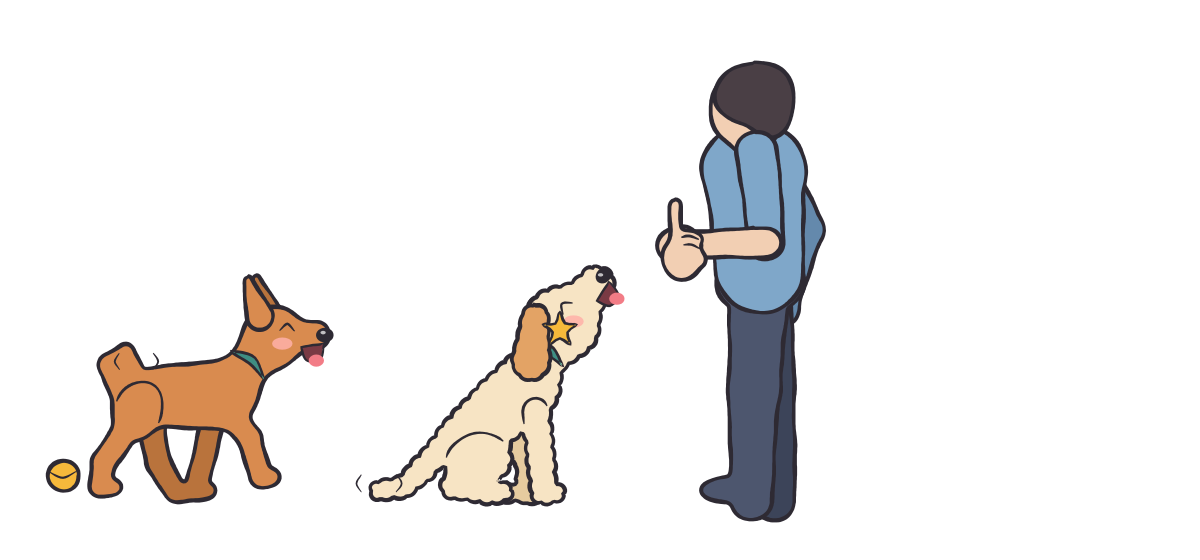
Four layers
Problem → Core skill → Exercise → Command
- 1 Problems Barking, pulling, not coming when called. Each problem traced back to how your dog feels and which skill is missing. 28 pages →
- 2 Core skills The skills underneath every problem — how a trainer sees your dog. 7 pages →
- 3 Exercises Exercises that grow the core skills: situation, signals, timing and steps. 22 pages →
- 4 Commands Sit, down, stay. Voice cues, hand signals and step-by-step teaching. 19 pages →
More ways in
- TricksPaw, spin, play dead. Tricks that build your bond through play.
- Dog feelingsShaking, licking paws, yawning. What your dog’s behavior is telling you.
- When to trainWhen to start, what comes first, the teenage phase — step by step by age.
- Training methodsClickers, markers, reinforcement. The tools and terms of teaching.
- Cue indexEvery hand signal and voice cue in one place.