 BAUDOG The dictionary of dog–human communication
Contents
- In short
- When it happens
- How your dog feels
- Is she barking at the sound, or at the person?
- Starting today: stop the doorbell from being a cue to bark
- If a trainer came to your home: the first session and the first homework
- Step by step: changing what the doorbell means
- If she barks anyway
- Skip bark collars and sprays
- Worried about the neighbors?
- The missing core skill
- Exercises
- In the moment: do / don’t
- When to see a professional
- Sources
In short
Your dog barks at the doorbell because the sound has come to mean “a stranger is coming.” And while she’s barking, the delivery driver walks away. From her point of view, barking drove them off — so the more she barks, the more likely the habit is to stick. The fix is to change what the doorbell means. First change the chime, and while you’re training, cut down how often it rings. Then, starting with a quiet recording, teach her that when the doorbell rings, she runs to her mat for a treat. Yelling at her can sound to her like you’re joining in, and tends to make the barking worse.
When it happens
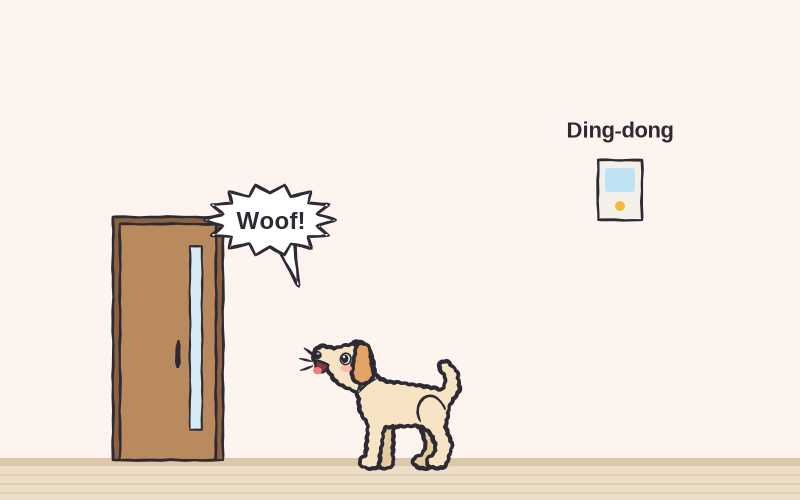
- The second the doorbell rings, your dog races to the door and won’t stop barking
- She even barks at doorbells on TV
- Every delivery sets her off, and you worry about the neighbors through the wall
- While she’s barking she doesn’t seem to hear you call her name
- She never used to, but started barking at the doorbell as she got older
How your dog feels
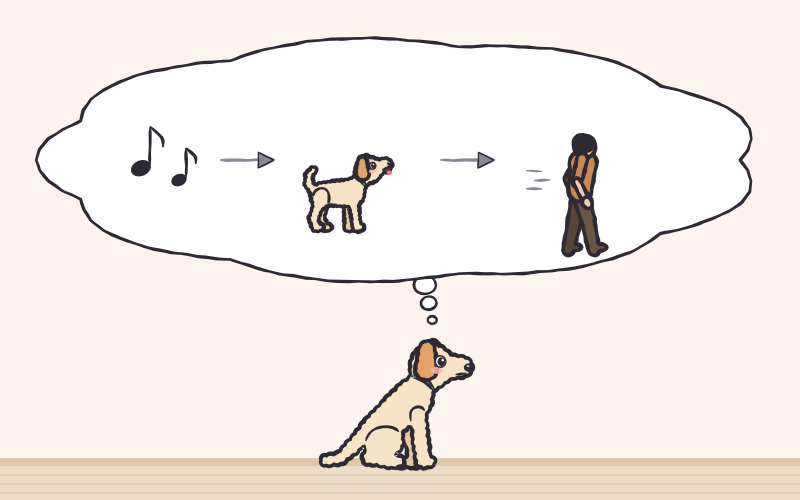
Dogs link things that keep happening together. The doorbell rings, then a stranger appears. After enough repeats, the sound alone has her up and running: “Someone’s here!” The urge to protect her home — and often a bit of fear of strangers — comes out as barking.
After the barking, the delivery driver leaves the package and goes. They left because the job was done, but to her it looks like they left because she barked. The MSD Veterinary Manual notes that learning from a visitor retreating can be one of the things that strengthens barking and growling at home.
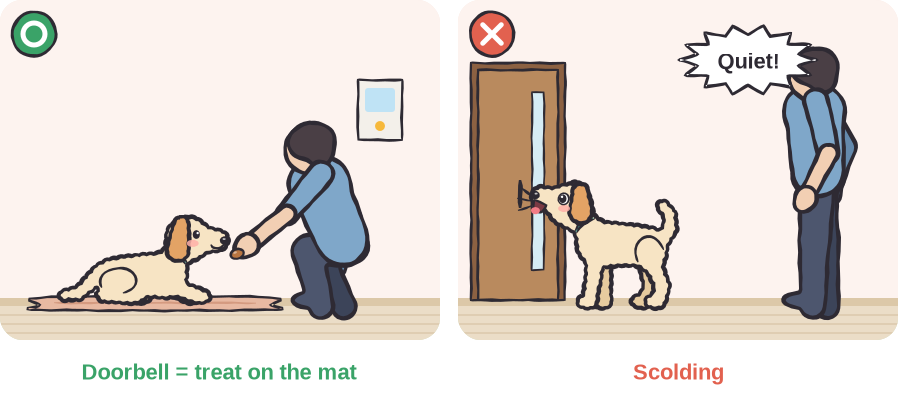
If you shout “Quiet!” at a barking dog, it can sound to her like you’re barking too. Dogs with a strong urge to guard the home often keep barking even when scolded.
Is she barking at the sound, or at the person?
Whether she’s reacting to the doorbell itself or to the person behind the door changes where you put your effort. Try these (one example of how BAUDOG sorts it):
- Have a family member ring the doorbell from outside (no visitor). If she still barks, the sound itself has become the trigger. Start with the training on this page.
- Does she bark at doorbells on TV or in videos, or at a doorbell recording on your phone? If so, she reacts strongly to the sound. Practice with recordings at low volume is a good fit (Getting Used to Sounds Step by Step).
- She gives a few barks at the doorbell, but once the door opens and someone comes in, she keeps barking, jumps up or backs away. Then the person is the main issue. Do the sound work on this page and the training on our Barking at Visitors page too.
Starting today: stop the doorbell from being a cue to bark
Before training, cut down how often she barks at all. Each time she barks and the visitor leaves, “barking works” gets repeated, and training gets harder.
- Change the doorbell sound. VCA handouts by veterinary behavior specialists advise changing the sound of doorbells or phones that have become a cue for barking. Depending on the model, you may be able to change the chime or its volume — on some smart doorbells this is done in the app (check the manual). Turn the volume down as low as you can while still hearing it.
- While you’re training, cut down how often the doorbell rings. BAUDOG suggests using delivery instructions such as “please don’t ring the bell,” a polite note on the door, or delivery time slots — and asking family members to come in without ringing.
- If she likes to wait by the front door or a window, have her spend her time in a room away from the door instead.
- When the doorbell rings, don’t rush to the door saying “Who’s that?” It winds her up.
If a trainer came to your home: the first session and the first homework
Here is how we’d expect a first in-home session with a visiting trainer to go — one example from BAUDOG, not a fixed script. On day one, nobody rings the real doorbell. You start with a doorbell sound quiet enough that she doesn’t bark, and with a mat.
- What the trainer looks at first: how many seconds it takes her to stop barking after the bell. Whether she barks at a recorded doorbell. Whether she reacts differently when family rings versus a stranger. What she does toward the person once the door is open.
- Today: put a mat on the floor and drop a treat on it when she steps on (step 1 of Relaxing on a Mat). Separately, play a doorbell recording from your phone just loud enough that her ears twitch slightly, and treat as soon as it sounds. With the trainer, find a volume she doesn’t bark at.
- Homework (BAUDOG’s rule of thumb): once or twice a day, about 5 minutes. Keep rewarding her for stepping onto the mat, until she lies down as soon as she gets on it. At a different time, up to 10 rounds of “doorbell → treat” at the quiet volume you chose. Raise the volume a little at a time, on different days. If she barks, go back to a quieter volume next time.
- At the next visit, the trainer checks: when you put the mat down, does she step on and lie down by herself (our rule of thumb: 8 times out of 10)? At the chosen volume, does she look at you and wait for a treat without barking (10 out of 10)? If so, the next step is linking them: “doorbell rings → go to the mat.”
Step by step: changing what the doorbell means
Build two skills separately, then join them. Humane World for Animals (formerly the Humane Society of the United States) and the ASPCA both describe teaching a dog to go to her bed instead of barking, then practicing with the doorbell once she’s got it.
- 1. Doorbell sound → treat: play a doorbell recording quietly enough that she doesn’t bark, and treat every time it rings. When the sound stops, the treats stop. If she stays relaxed, make it a little louder on another day. If she barks, stop at once and go back to a quieter volume.
- 2. Relaxing on a mat: treat when she steps on the mat → treat when she lies down → wait until she relaxes. Put the mat a little way from the front door, somewhere it can’t easily be seen from the door.
- 3. Link them: quiet doorbell recording → treat placed on the mat. Keep going until the doorbell sends her running to her mat by herself.
- 4. A family member rings the real doorbell: at first, start in a room far from the front door. Bell rings → she goes to the mat → treat on the mat. When the family member comes in, keep treating while she stays on the mat. If she gets up, close the door and wait a moment (Humane World’s method).
- 5. Real visitors and deliveries: the moment the bell rings, say “Mat” and treat her on the mat. If it helps, clip a leash on before guests arrive so you can guide her to the mat. The ASPCA says to wait until she gets it right about 90% of the time in practice before trying it with real visitors.
- If it falls apart, go back a step. Make it harder in only one way at a time — volume, location or a real person.
If she barks anyway
Midway through training, she will sometimes bark at the real doorbell. Don’t yell; switch her to a different behavior. VCA describes holding a very tasty treat by her nose while she’s barking at the doorbell — most dogs stop barking to sniff it — and praising the moment she’s quiet.
- (BAUDOG’s suggestion) Call her name cheerfully and back a few steps away from the door. When she comes, treat. If she knows her mat, say “Mat.” Humane World also recommends asking for a behavior she can’t do while barking.
- The moment she goes quiet: “Yes!” → treat. While she’s barking, don’t talk to her or stroke her.
- Don’t scold her for barking one day and praise her for barking at another sound the next. Respond the same way every time — and the whole family the same way.
Skip bark collars and sprays
There are collars that shock, spray a scent or make a noise when a dog barks. The ASPCA calls these punishment devices and doesn’t recommend them as a first choice; it says virtually all dogs learn not to bark while wearing the collar and go back to barking when it comes off. Punishment is especially not recommended for barking driven by fear or anxiety. The American Veterinary Society of Animal Behavior (AVSAB) also states there is no evidence that aversive methods are necessary for dog training or behavior change.
Worried about the neighbors?
Training takes time. Meanwhile, the steps in “Starting today” that cut down how often the doorbell rings are your best way to keep the peace. Persistent barking can become a legal matter: in England and Wales, councils say a barking dog can be a “statutory noise nuisance” under the Environmental Protection Act 1990, and the same part of the Act also applies in Scotland. Northern Ireland has separate rules, so check with your local council there; in the US, check your city or county’s rules. If you share walls, it can help to let your neighbors know you’re working on it.
The missing core skill
Exercises
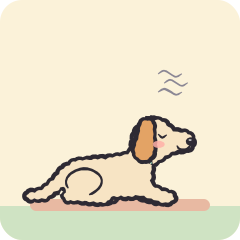
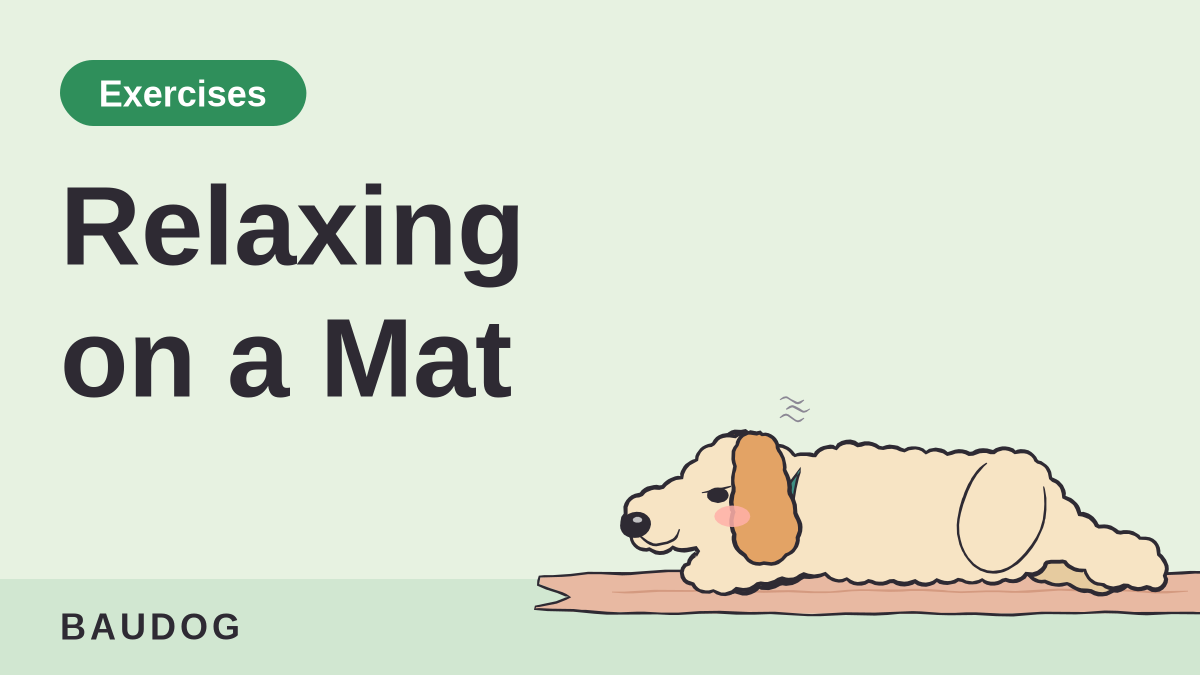
- ExerciseRelaxing on a Mat: How to Teach Your Dog to SettleDoable at home (Steps 1–4 at home)When she steps onto the mat, she lies down on her own and rolls onto one hip to relax.Read →
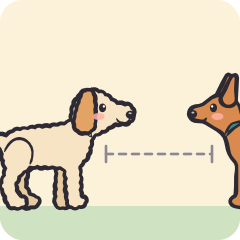
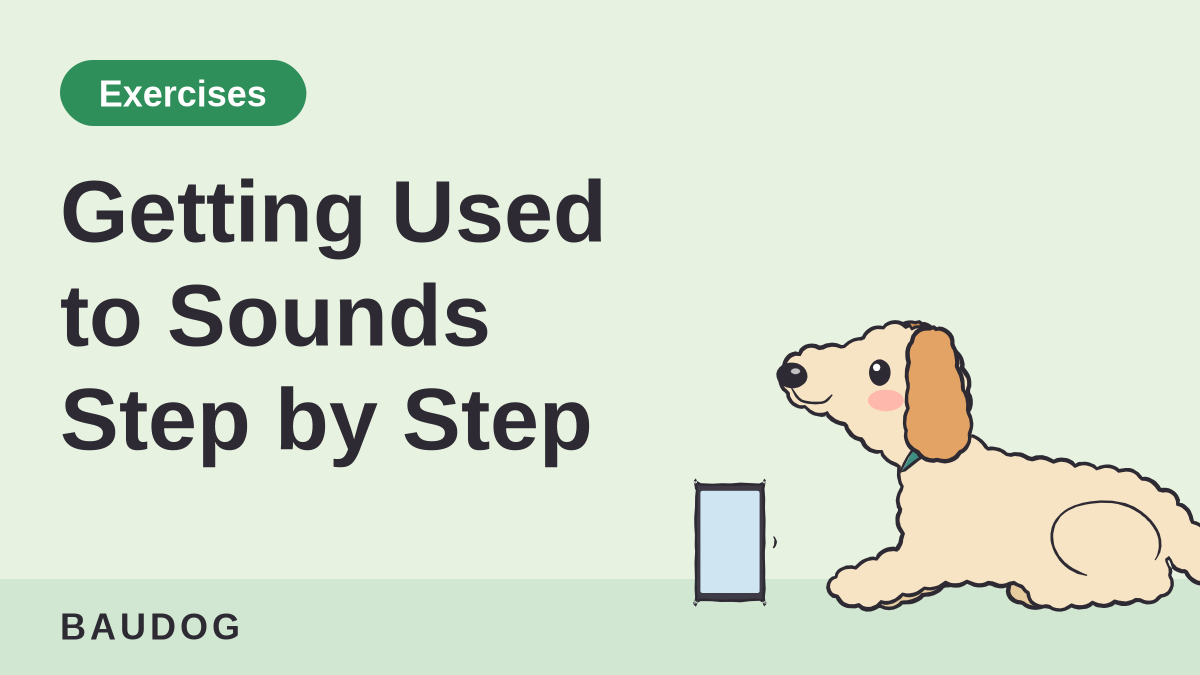
- ExerciseGetting Used to Sounds Step by Step: Sound Desensitization for DogsDoable at home (Steps 1–3 at home)When the sound that bothers her plays, she stays relaxed and keeps eating or playing.Read →
In the moment: do / don’t
Do
- Change the doorbell sound and turn the volume down
- While training, use delivery notes and time slots to cut down rings
- Start with a quiet doorbell recording: “ring → treat”
- The moment she goes quiet: “Yes!” → treat
- Get the whole family responding the same way
Don’t
- Yell “Quiet!” (it can sound like you’re barking too)
- Race to the door with her saying “Who’s that? Who’s that?”
- Use a bark collar (shock, spray or sound)
- Start training with the real doorbell
- Hold her mouth shut with your hand or tie it closed
When to see a professional
- She started barking at the doorbell, or barking differently, only as an older dog. Changes such as hearing loss may be involved. Talk to your vet
- The doorbell makes her tremble, hide or have accidents. That’s strong fear — talk to your vet or a behavior professional
- When the door opens she lunges at visitors or tries to bite. Read our pages on barking at visitors and on biting, and get professional help
- Even with training, the barking isn’t getting any shorter
Go to the root
Don’t stop at the quick fix. Growing the skill underneath makes other problems lighter too.
Sources
- VCA Animal Hospitals — Barking in Dogs
- Humane World for Animals (formerly the Humane Society of the United States) — How to get your dog to stop barking
- ASPCA — Barking
- MSD Veterinary Manual (veterinary edition) — Behavioral Problems of Dogs (territorial aggression)
- Dogs Trust — What to do if your dog is scared of loud noises (household noises)
- RSPCA — Dog barking
- AVSAB — Position Statement on Humane Dog Training (2021)
- American Kennel Club — Dog Training Duration, Distance, Distraction (the 3 Ds)
- North Yorkshire Council — Barking dogs
- Basingstoke and Deane Borough Council — Barking dogs
- legislation.gov.uk — Environmental Protection Act 1990, section 79 (statutory nuisances)